Prospectus
Course Tutor
My name is Debbie Hopkins (formerly Ison) and I have a passion for teaching and learning.
.
I am an Advanced Hypnotherapist and NLP Master Practitioner and Trainer, and run a thriving therapy business based in Lincoln. I started my career as a Primary School Teacher after attaining a First Class Honours Degree in Primary Education with Qualified Teacher Status from Bishop Grosseteste University Lincoln.
.
During my years of teaching I became increasingly aware of the difficulties that individuals face and decided to embark on retraining as a therapist. I received a Distinction in my Clinical Hypnotherapy Diploma attaining a 100% pass rate. Since this time I have undertaken further study attaining my Advanced Diploma in Hypnotherapy and Advanced Diploma in Transpersonal Hypnotherapy; and have had the pleasure of working with a large number of clients with a wide variety of issues, as well as leading training courses and workshops from both my premises and from within schools.
.
For the past 8 years combined my two passions of providing inspiring teaching for the development of others, and my therapeutic work, by creating a high quality hypnotherapy diploma.
.
Relevant Qualifications
- BA (Hons), First Class, Primary Education with Qualified Teacher Status (Bishop Grosseteste University Lincoln)
- Advanced Diploma of Distinction in Transpersonal Hypnotherapy (UKCHT)
- Advanced Diploma in Hypnotherapy (Oxford School of Hypnosis)
- Clinical Hypnotherapy Diploma of Distinction (100%) (Celestial Healing)
- NLP (Neuro-Linguistic Programming) Trainer and Master Practitioner
- Meditation Teachers Diploma at Distinction Level
- Advanced Diploma in Past Life Regression Therapy (100%)
- Hypnotherapy for Pregnancy and Birth Plan Certificate of Merit
- Hypnotherapy for Skin Disorders and Pain Management Certificate of Merit
- Hypnotherapy for Weight Loss Certificate of Merit
- Usui Reiki Master and Teacher (Diana Jackson)
- Tibetan Reiki Master and Teacher
- OldPain2Go Practitioner
- T hought Field Therapy (TFT) Practitioner
- Integral Eye Movement Therapy Advanced Practitioner (IEMT)
- BWRT Level one
- Kinetic Shift Practitioner
- Sound Therapist
.
Professional Membership
- General Hypnotherapy Register (Advanced Practitioner ADPR & Supervisor)
- Past Life Regression Therapists Association
- ANLP (Trainer Member)
- IEMT Association
If you wish to see me for therapy please visit my therapy website by clicking the button below.
Or for more information about the course please continue on this site.
Course Description
Course Prospectus
The course consists of 18 modules. Each module is designed to scaffold your learning so that you can deliver high quality hypnotherapy sessions. Building on a range of valuable techniques that can make a real difference to those who you work with. Giving you a greater understanding of yourself and others so that you can make real and impactful change.
Module 1 – The History of Hypnotherapy
- House Keeping
- Learning
- Becoming a hypnotherapist
- The History of hypnosis
- What is Hypnosis?
- What is hypnotherapy?
- How does hypnotherapy work?
- The conscious and unconscious brain
- The 7+/- 2 obstruction
- Right and Left Brain
- How the brain receives data.
- Neuroplasticity
- Who can be hypnotised?
- Reading list
Module 2 - Psychological Influences
- Psychodynamic psychology
- Analytical Psychology
- Transpersonal Psychology
- Behaviourism
- Solution Focussed Psychology
- Adlerian Psychology
- The Mechanistic Model of Psychology
- Humanistic Psychology and Maslow’s hierarchy of needs
- Eclectic psychology
- Integrative Psychology
- Gestalt Psychology
Module 3 - Suggestion
- Suggestion use and management- direct, indirect, metaphorical, Ericksonian, truisms, questions, use of the negative.
- Ego-strengthening
- Resource building and creating positive states (anchoring)
- Use of Voice and breath
Module 4 – Rapport and NLP
- What is Neuro-Linguistic Programming?
- RapportElements of rapport- mirroring, breathing, leading and pacing, blinking, understanding body language, use of voice
- The Representational System - VAK
- How to identify the representational system that a person is using
- Eye Accessing Cues
- Other Accessing Cues
05
Module 5 – Hypnotic Management
- Hypnotic management
- What to do when you are contacted by a potential client
- Initial Consultation (Pre-induction)
- The Pre-induction step by step
- Differing opinions as to how the pre-induction should be conducted
- Session Structure -
- Prior to the session,
- When the client arrives for the session
- After the session
- Personal and Client Health and Safety, and Risk Management
- Contraindications
- Expectations of clients and setting the client homework
- When to refer a client on
06
Module 6 – Susceptibility tests
- Questions that help to identify susceptibility
- Waking Susceptibility tests with hints, tips and safety suggestions highlighted –
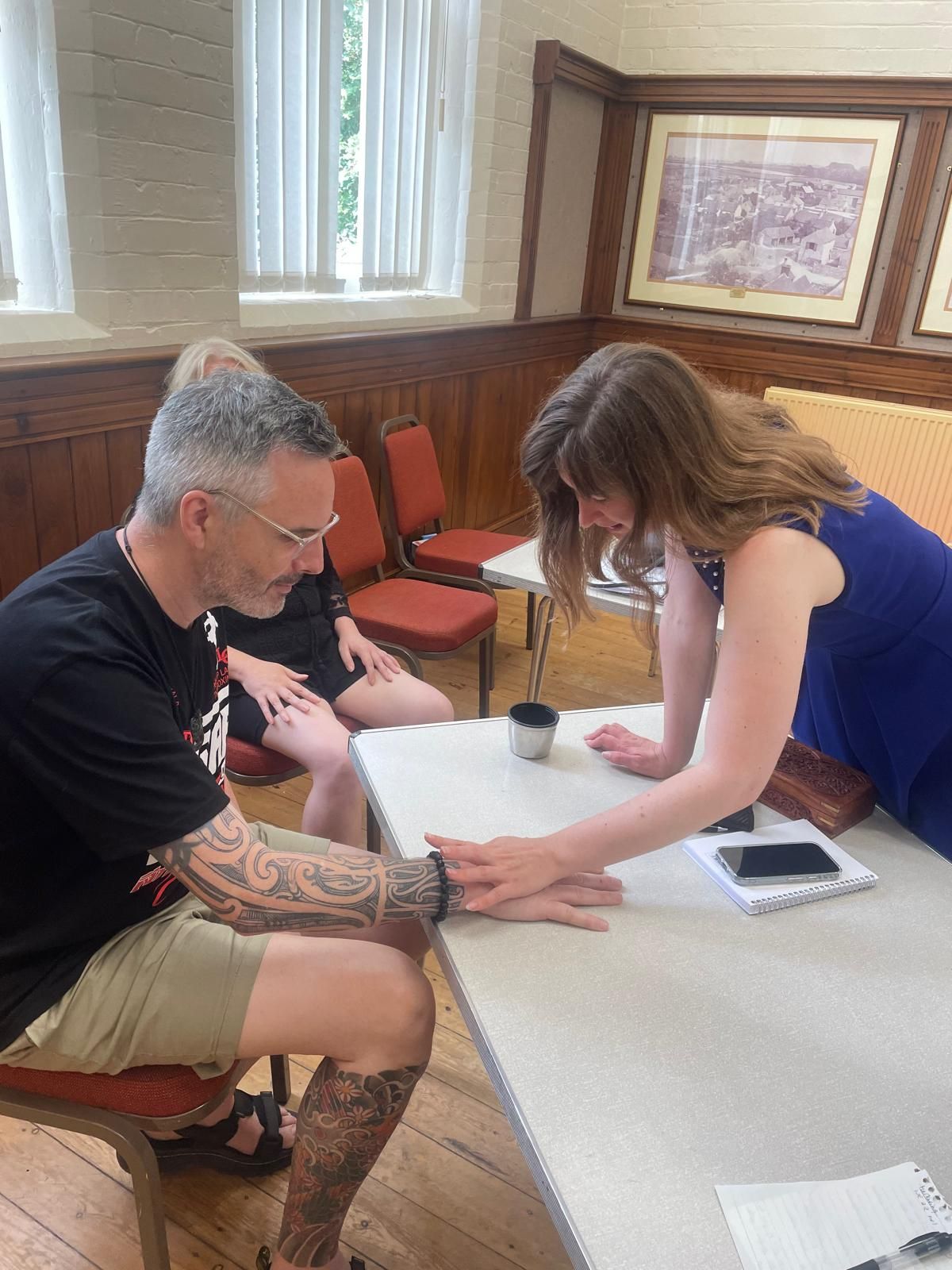
- Magnetic Fingers
- Magnetic Hands
- Bucket and Balloon
- Hand lock test
07
Module 7 – Elements of hypnotherapy
- Wake ups- Short wake ups, fractionation, full wake ups
- Deepeners – Vocal deepeners, standard countdown, candle countdown, staircase deepener
- Rapid deepeners – Authoritarian rapid spoken deepener, Now.
- Physical deepeners – shoulder rock, arm drop, fractionation.
- Trance depth - Observable clues that indicate what depth of trance your client has achieved for: light trance, medium trance and deep trance depth.
- Verifying Trance Depth
08
Module 8– Inductions
- What is a hypnotic induction?
- Why are different hypnotic inductions required?
- Rapid Inductions – Health and Safety, contact and non-contact variations
- Client counting backwards
- Hand to face
- Magnetic fingers
- Magnetic hands
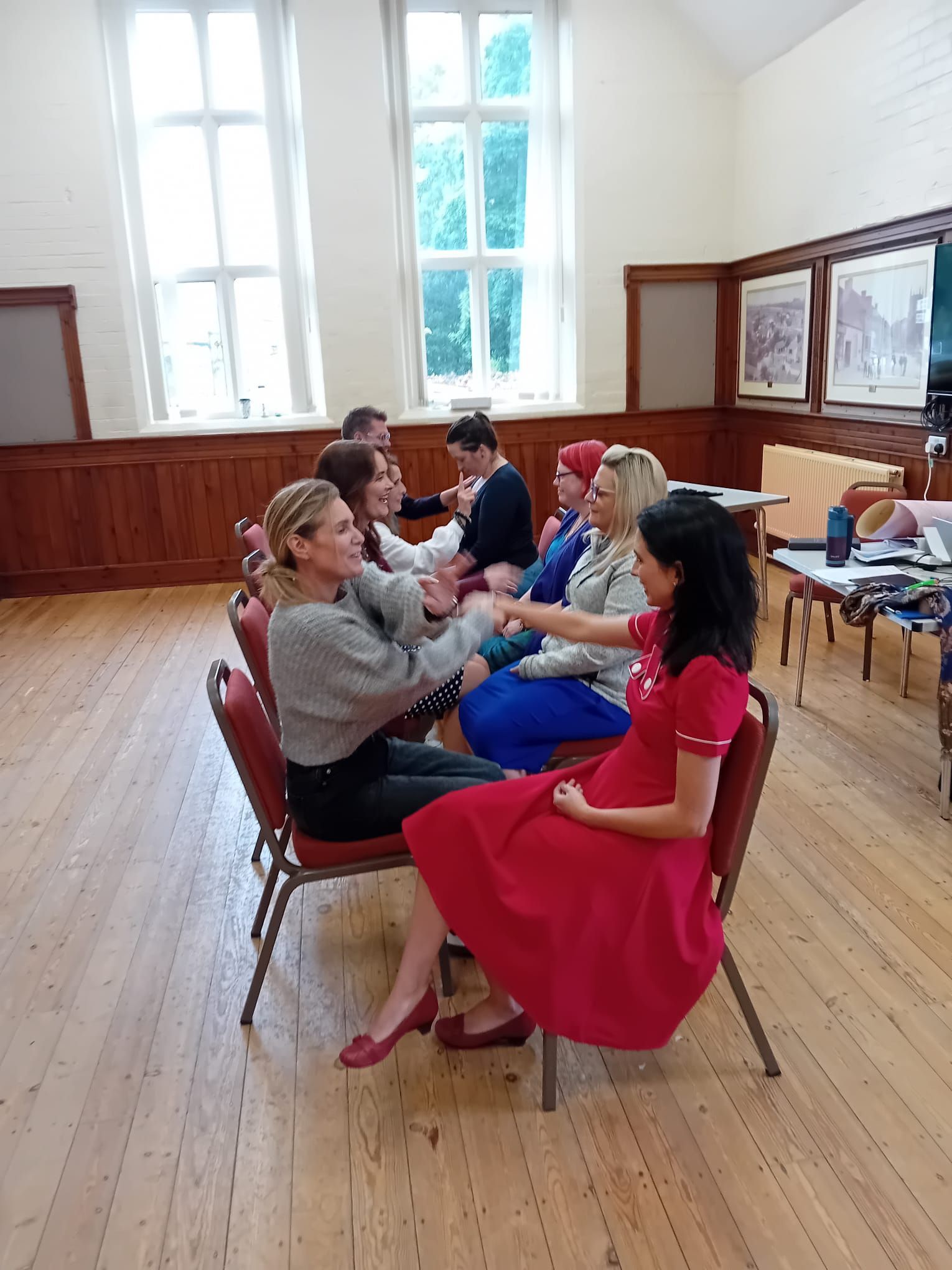
- Handshake induction
- The Elman 3 handshake induction,
- 8 word induction,
- Butterfly induction,
- Trigger induction,
- Coin drop induction,
- Eye-fixation
- Milton Erickson’s My friend John induction
- The Thumb stare
- Confusion Induction
- The fractionation conversation
- Permissive inductions explained
- Sensory overload induction
- Metaphorical inductions explained – holiday stroll
- Create your own metaphorical induction
- Progressive muscle relaxation
- Creating Ericksonian induction using nouns and unspecified verbs.
09
Module 9 -Self- hypnosis
- What is self-hypnosis?
- Using self-hypnosis for your own development
- Teaching your clients self-hypnosis.
10
Module 10 – Gathering Information to assist your client during the therapeutic process
- Getting the client to take responsibility for themselves.
- Eliciting information from a client about what they want to achieve – questions that you could ask
- Solution Focussed Questioning
- Scaling
- The 5 D’s
- Primary Secondary and Tertiary Gains
- Meta-programmes –- that will have an impact on the way you word hypnotherapy sessions
- How to identify key meta-programs that the client is using
- Counselling skills
- Active listening
- What a client needs emotionally to facilitate change
- Ego-strengthening and incorporating new strategies
- Dilts' Logical Levels of Change
11
Module 11 – How to prepare a hypnotherapy session for your client
- Scripts – Pros and cons, how best to use them, how to move away from script work
- Planning the session
- Thinking about what emotions need to be modified and what outcomes you expect.
- Group hypnosis
12
Module 12 – Important things to remember when your client is under hypnosis and following the session
- How to deal with Abreaction
- Questioning and the danger of creating false memories
- Record Keeping
- What to do if an emergency should arise
- Recording the session and sending recordings to clients, including what to say to ensure the safety of your client when listening to these.
13
Module 13 – Hypnotic Approaches
Ericksonian approaches and language patterns
Analytical Approaches including :
- Dissociative approaches
- IMR approaches
- Inner Child
- Metaphorical
- Clean Language Questioning
- Parts Therapy
Regressive and time-related approaches including :
- Age-regression
- Past Life regression
- Affect Bridge
- Specific age
- Time distortion
- Future pacing and pseudo orientation in time
- Free floating
13
Module 13 – continued
Behavioural Approaches including:
- Mind-body (PNI)
- Metaphorical
- Safe place
- Deconditioning
- Sub-modality
Cognitive Approaches:
- Mindfulness
- Acceptance and Commitment therapy
- Rational and Emotive Behavioural Therapy
Metaphorical and Energetic Approaches:
- Healing White Light
- An introduction to EFT
- Guided Garden
- Creating Metaphors for therapy
- Use of Metaphors for silent/slow release abreaction
- An introduction to Eye Movement Techniques
14
Module 14 -Applications
For each application the module contains: an explanation of the condition/issue, how to work with each area, relevant anatomy and physiology, hints and tips, techniques to use and sample scripts for learning purposes.
- Anger management
- Anxiety and panic attacks
- Asthma
- Bedwetting (Enuresis)
- Blushing
14
Module 14 -continued
- Conception and Pregnancy
- Depression
- Pain Management
- Performance Anxiety
- Phobias
- Self-Confidence and Self-Esteem
- Skin Conditions and Dermatology
- Smoking Cessation
- Sports Hypnosis
- Stammering
- Stress management
- Tinnitus
- Weight Management
15
Module 15 - Policy, ethics and codes of conduct
- Data Protection
- Obtaining consent (including example policy)
- Cancellations (including example policy)
- Payment
- GP consent- when to gain consent, how to obtain consent (example letter to GP and client consent to contact GP forms included)
- Client- therapist relationship
- Accompanied clients, minors and vulnerable adults
- DBS checks
- Safeguarding
- Child welfare – Including information about the Children’s Act and what to do if you believe that a child is being abused.
- Codes of Conduct and Ethics
- GHR Code of Ethics
- Risk Assessment
16
Module – 16 Client Experience
- This will be an entirely practical model where you will be applying the techniques that you have learnt about and have been using throughout the course. You will work with genuine clients through the entire process, from initial contact all the way through the therapy sessions that you have designed for them.
17
Module 17 – Setting up your business
- Pricing
- Ways to advertise including pros and cons– social media, website, directories, leaflets and flyers, networking, talks and presentations, every day conversations
- Advertising Standards
- Insurance
- Joining the GHR and other professional organisations
- Other considerations
18
Module 18 – Development as a Therapist
- Continuous Professional Development
- Supervision
- GHR supervision requirements
- Getting the most out of supervision
- Being a reflective practitioner
- Engaging with research and other therapy/ therapists.
- Therapist Well-being
- The Principles of good practice
- Dealing with difficult client situations
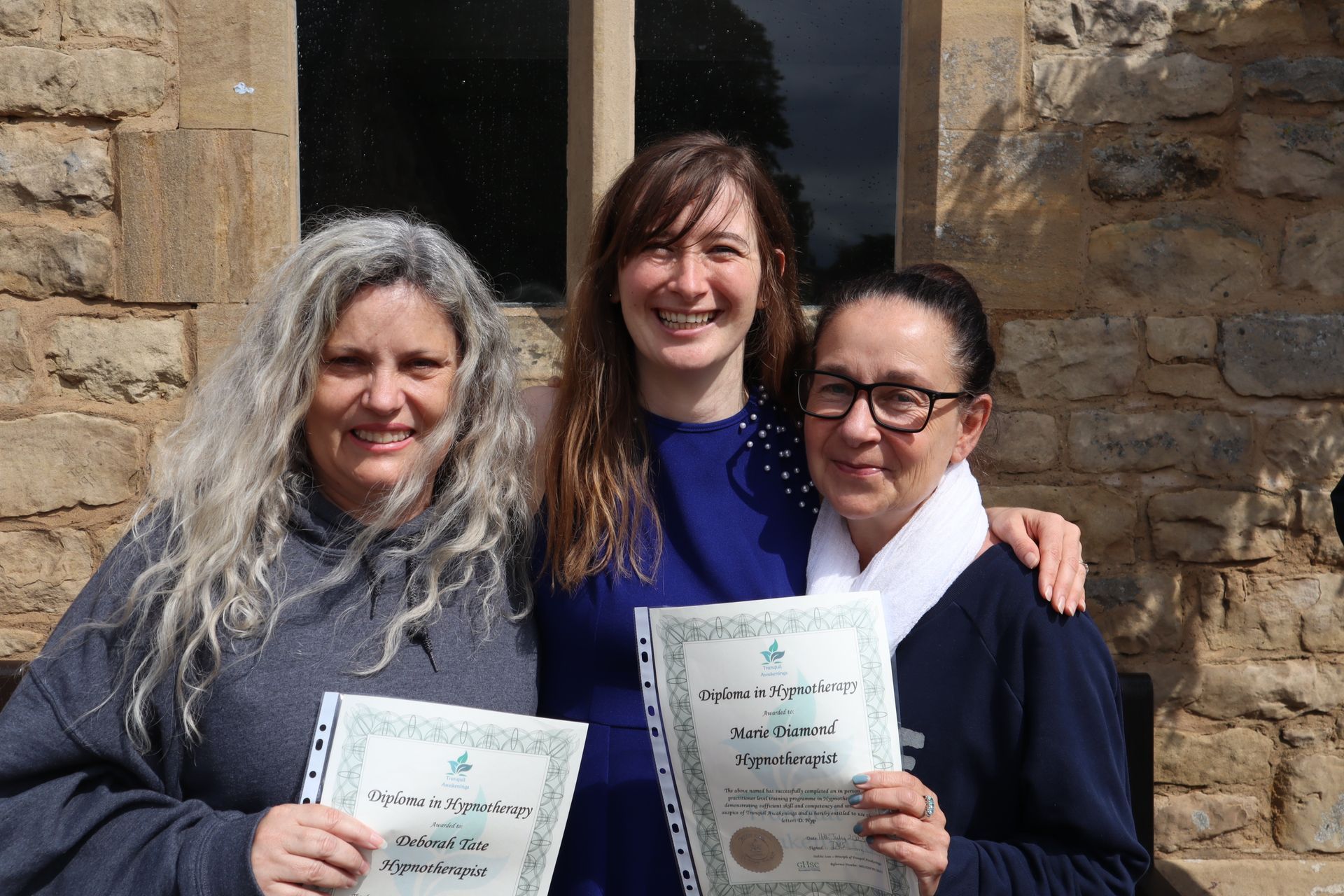
In this video recent graduates discuss what they have learnt on the hypnotherapy course by Tranquil Awakenings.
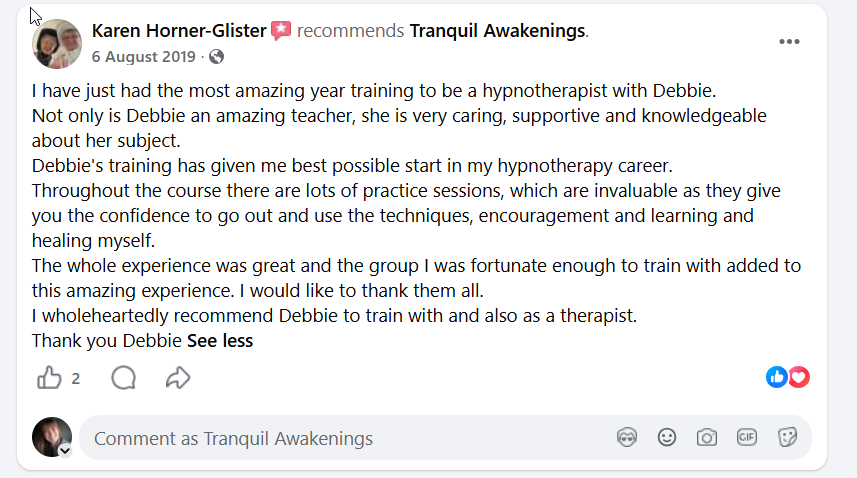
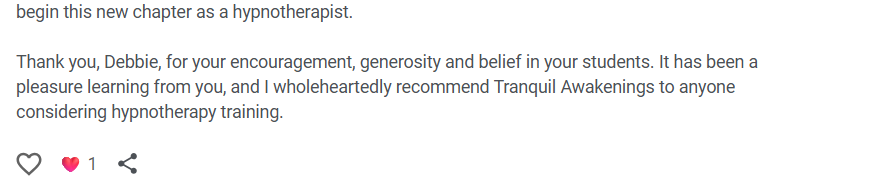
Testimonals
In this video recent graduates use one word to sum up the Hypnotherapy Training course by Tranquil Awakenings.
In this video previous students talk to anyone who is thinking of joining the course.
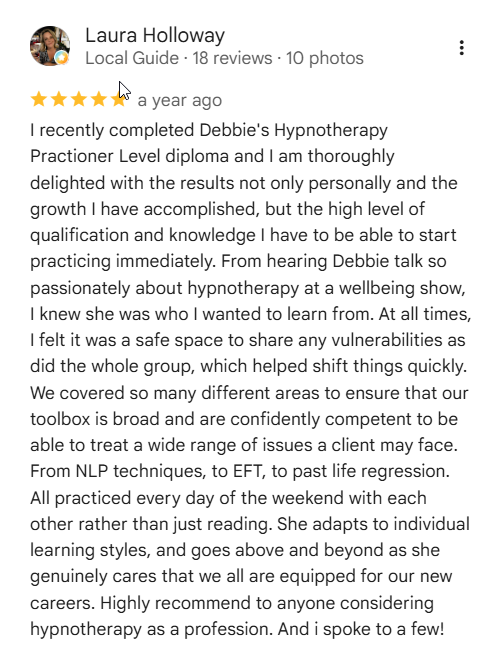
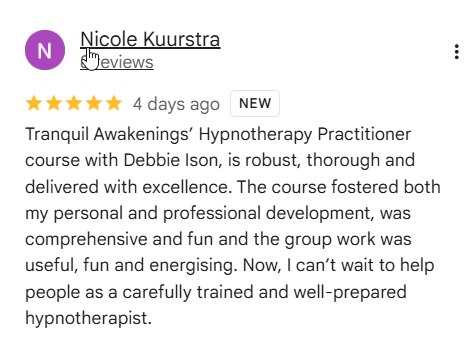
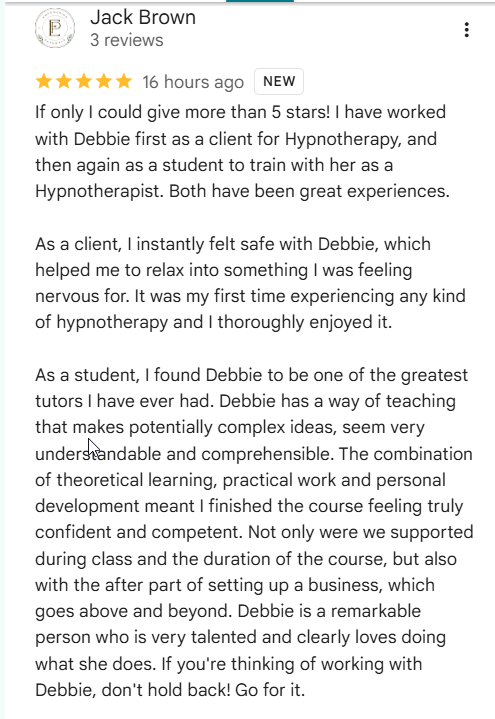
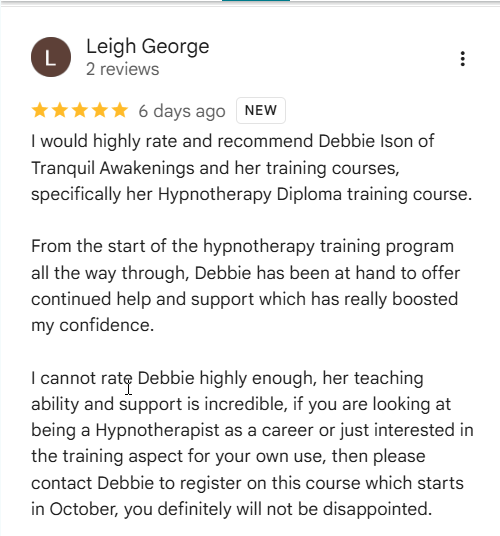
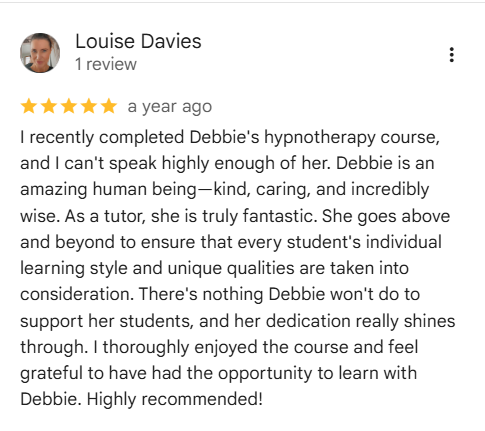
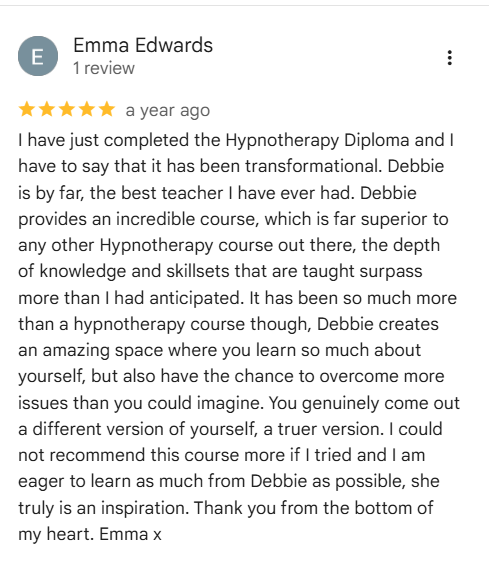
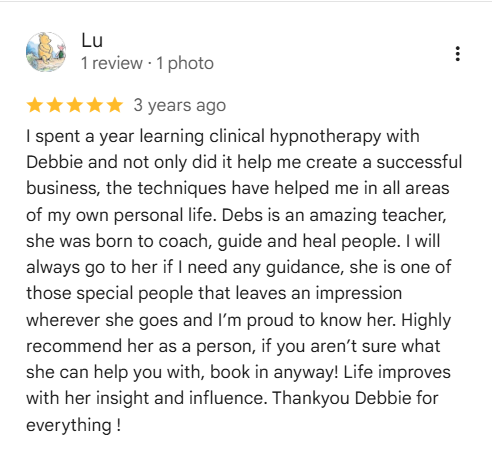
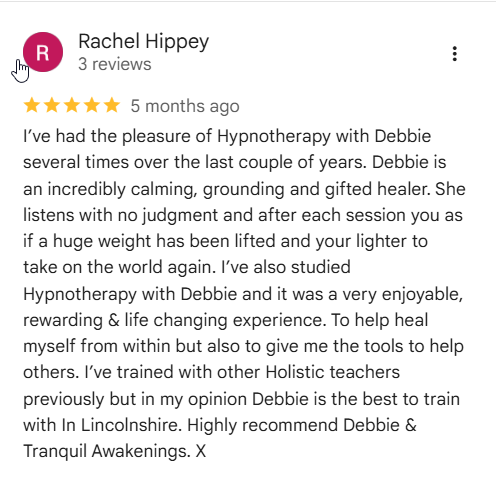
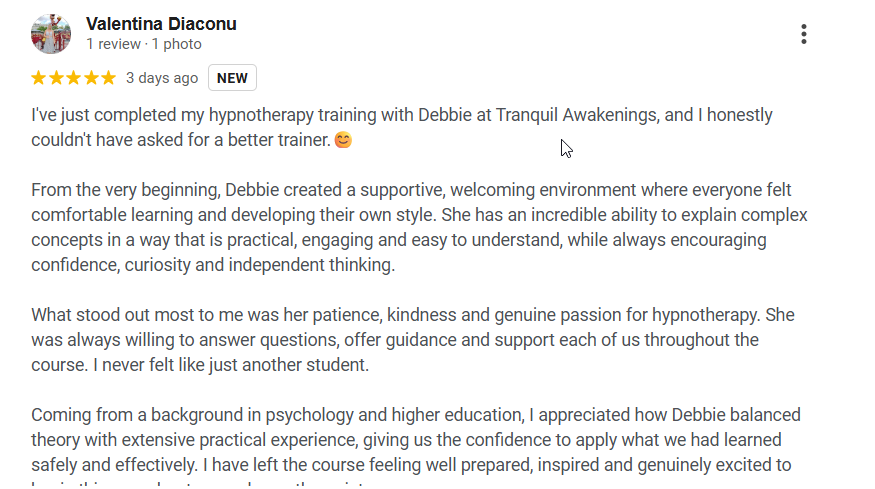
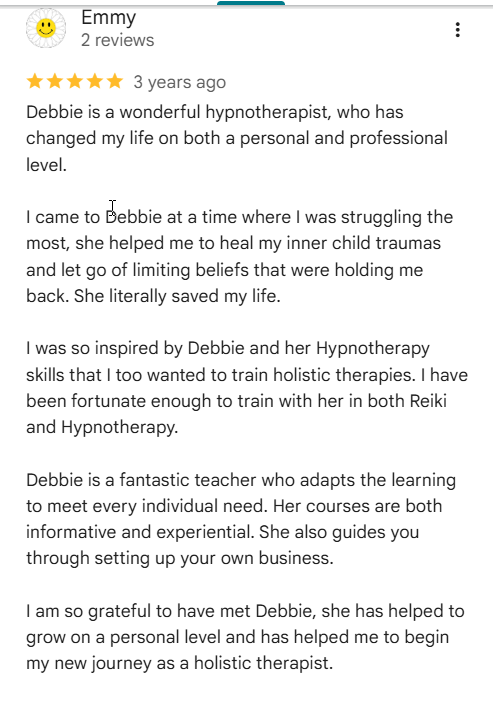
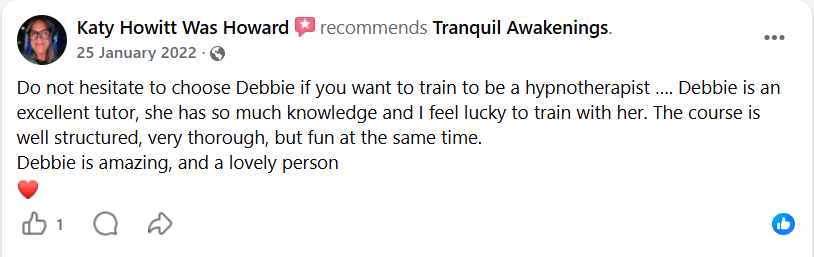
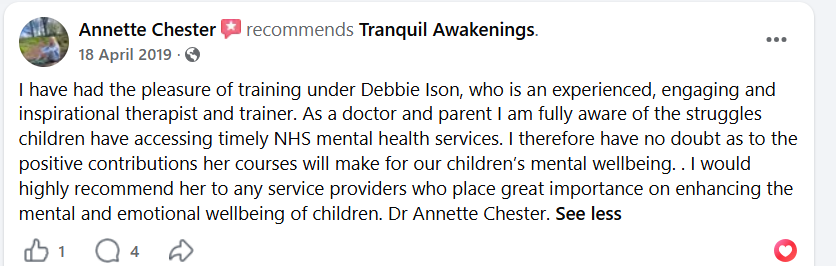
Course Reviews From Google And Facebook